
Cart 0

2026 Spring Seminar Program

Descriptions are below. Apply here.

The Teachers Institute of Philadelphia’s 15-week seminar program is open to non-charter teachers throughout the School District of Philadelphia. Led by professors in the humanities, arts, social sciences, and STEM fields, the seminars enable participants (called fellows) to write original curriculum units based on the material they have learned. Participation in TIP helps teachers build their content knowledge and improve results in the classroom. Fellows develop creative ways to teach material required by District, state and national curriculum standards. Seminars meet in-person Wednesdays and Thursdays, 5-7 pm, from January through May on the Penn or Temple campus. Upon successful completion of the program, fellows earn 30 Act 48 credits and a $1,500 stipend.


Slavery and Freedom in Philadelphia
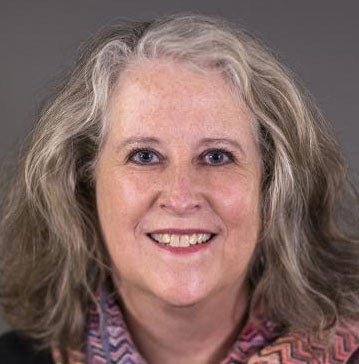
Kathleen M. Brown, Professor of History,
Penn SAS; meets Thursdays at Penn

What can we learn about slavery and freedom from studying the history of Philadelphia? Located in the first state to create a plan to abolish slavery, Philadelphia soon became the U.S. city with the largest population of free Black people during the antebellum period. It was also home to a bold interracial abolition movement and to the first African Methodist Church. But the state of Pennsylvania bordered Maryland and Delaware, where slavery remained legal, and from which enslavers and slave catchers regularly attempted to capture people they claimed had “stolen” themselves from slavery. And the University of Pennsylvania was home to a medical school that trained thousands of white doctors from southern slaveowning families. How these conflicting legacies shaped the lives of Black Philadelphians and their white allies during the eighteenth and nineteenth centuries and beyond is the focus of this course.


What Government Does
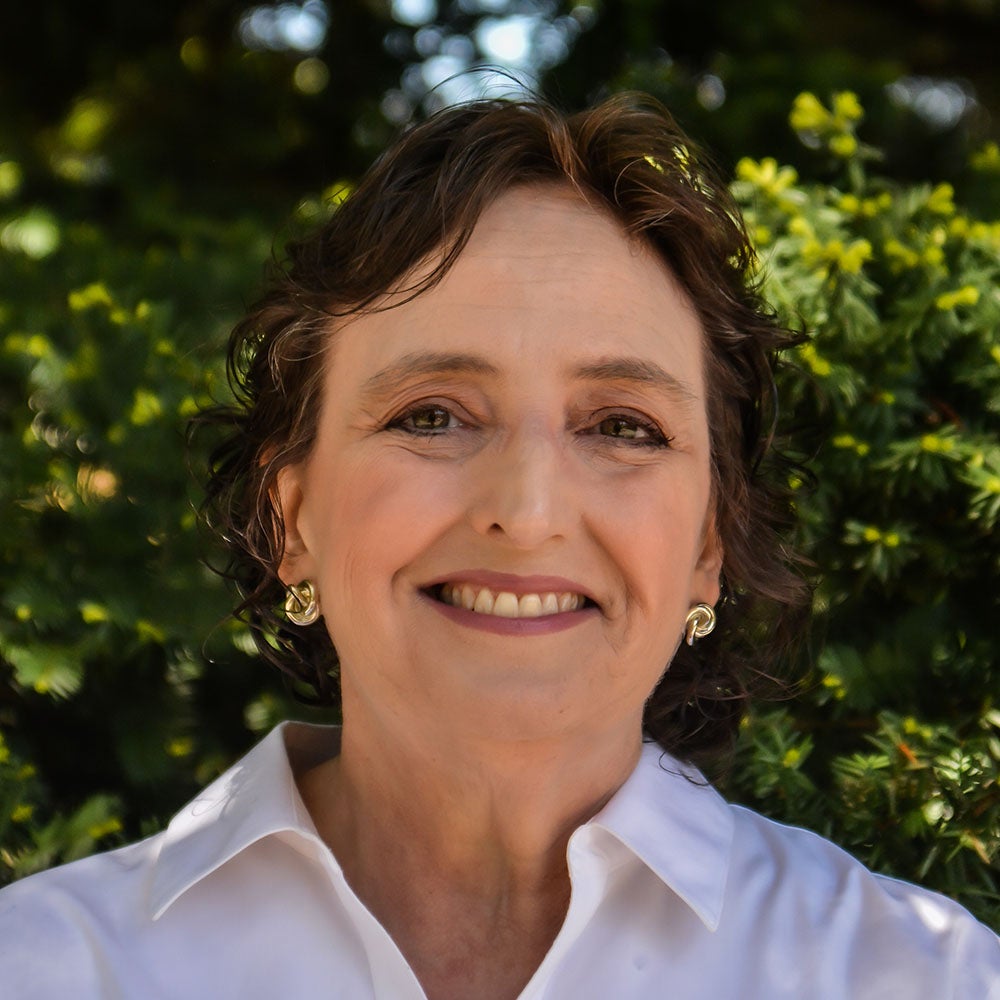
Robin Kolodny, Professor of Political Science,
Temple CLA; meets Wednesdays at Temple

Social Studies education usually begins with units on community helpers, but then moves quickly to representative government, elections, and elements of the U.S. Constitution. Yet teachers use democratic principles all the time in making and implementing class rules, promoting good citizenship while in school, and explaining that some restrictions on what we each may do during the school day allow everyone to have a better experience. We lose this connection when we move so quickly to our nation’s founding documents. This seminar will focus on creating curriculum units on local and state government regulations that citizens rely on daily. We will help students see that the government responds to collective action problems that individuals cannot “fix” on their own. Collective action problems arise when individual actions to solve a problem produce a worse outcome than when individuals cooperate to solve the problem. Classic examples include drinking water, waste management, roads, and food inspections.

Mapping Climate Change in the City
Xiaojiang Li, Assistant Professor, City & Regional Planning,
Penn Design; meets Wednesdays at Penn

This seminar introduces how to create maps to tell powerful stories about climate change and how it affects cities. Through simple tools and guided exercises, participants will learn how to create maps that explore climate-related challenges—especially urban flooding and extreme heat—and consider possible ways to reduce their impact. No prior experience is needed. We will use easy-to-learn mapping software and free online tools to make maps that are both informative and visually engaging. Participants will also explore real-world data sources and see how new technologies, like artificial intelligence (AI), can help us better understand patterns in climate risks. A key focus will be on how climate change affects different neighborhoods in different ways. By making maps of heat and flooding, we will explore questions of fairness, impact, and resilience; and how visual storytelling can help raise awareness and guide action in our communities.


Bioethics: Concepts, Cases, and Controversies
Dominic Sisti, Associate Professor of Medical Ethics & Health Policy,
Penn Medicine; meets Wednesdays at Penn

In this seminar, fellows will gain proficiency in various bioethical theories, including consequentialism, deontology, virtue ethics, principlism, pragmatism, and empirical methods. They will delve into and critically examine landmark cases that have shaped the field of bioethics, such as those addressing the protection of human participants in research, animal rights and welfare, and clinical issues surrounding end-of-life care and euthanasia. Collaboratively, fellows will design a curriculum unit that can either stand alone as a bioethics class or be integrated into science, history, English, or social studies courses.